Termite inspections & WDI letters
Termite letters for North Georgia home sales
Termites are common in Georgia, and a standard home inspection doesn’t include a termite inspection. If your lender or your contract calls for a termite letter, or you’d just like to know, I do the termite inspection myself, usually on the same visit as your home inspection, and ProCare Pest Control issues the letter.
Buying a home? Add a termite letter when you schedule your inspection


The termite letter
What a Georgia termite letter is.
The termite letter is the Official Georgia Wood Infestation Inspection Report. You’ll also hear it called a WDI or WDO report (for wood-destroying insects or organisms), or a clearance letter. When a termite report is part of a home sale, state rules allow only this form, and only a pest control company licensed by the Georgia Department of Agriculture for wood-destroying organisms can issue it.
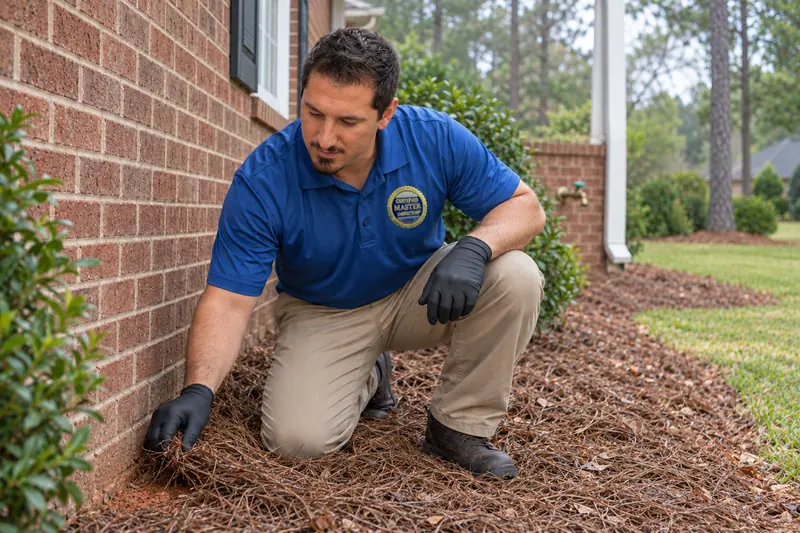
I’m a licensed employee of ProCare Pest Control, certified by the Georgia Department of Agriculture, so I do the termite inspection myself, usually on the same visit as your home inspection. ProCare issues the report.
Termite letters aren’t available everywhere I inspect, so text me the address first and I’ll tell you.
“George gave the house a thorough going-over, from dirty crawl-space to dusty attic, and even inspected the roof and chimney using his drone.”
Jeff Lewis · Google review · Selling a family home Read the reviews on Google
Do I need one?
Do you need a termite letter to buy a house in Georgia?
It depends on your loan and your contract. Some lenders ask for one, and some contracts include one, so ask your lender and your agent early in your due diligence whether yours does, and how recent it has to be. The standard Georgia REALTORS purchase contract doesn’t require one on its own, and your inspections are at your expense unless you and the seller agree otherwise.
Even when nobody asks for one, it’s worth considering. University of Georgia entomologists call Georgia part of “the termite belt,” where termites are common and abundant. Subterranean termites are the most common kind here, and their swarms usually show up in late winter and spring.
What it covers
What the termite letter checks, and what it doesn’t.
The report covers five kinds of wood-destroying organisms: subterranean termites, drywood termites, powder post beetles, other wood-boring beetles such as the old house borer, and wood rot below the first floor. It doesn’t cover mold, carpenter ants or carpenter bees.
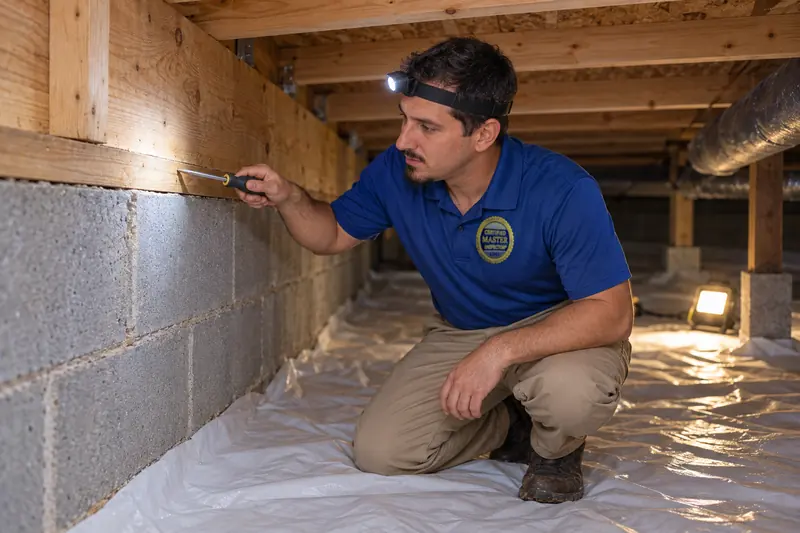
It records visible evidence of active or past infestation in the areas that can be reached, by looking, sounding and probing. It lists any areas that couldn’t be inspected, such as insulation, storage or spray foam that hides the wood. And it notes three conditions that invite termites: wood debris under the house, untreated wood touching the soil, and crawl-space ventilation below code.
A clean letter isn’t a warranty that the house is termite-free, and it isn’t a structural report. By state rule, though, it comes with a 90-day guarantee from the date it’s issued: if the report found no sign of a covered organism and an infestation turns up within those 90 days, the company that issued it treats it at no charge. That covers treatment, not repairs. And if one of the three conditions above existed at the inspection but wasn’t reported, and it’s found within those 90 days, it’s corrected at no charge too.
If the report shows evidence of termites, current or past, the state form says to assume there’s some damage and to have it evaluated by a qualified professional in the building trades.
Around the house
What invites termites, and what I point out.
Moisture matters most. UGA’s advice for Georgia homes:
- Keep mulch, groundcovers and shrubs several feet away from the foundation. Mulch holds moisture in the soil next to the house and hides termite activity from an inspector.
- Fix leaks and standing water around the house, and keep the crawl space dry.
- Don’t let wood touch the soil, and keep at least 6 inches between the soil and the bottom of the siding.
- Watch for winged termites swarming indoors, mud tubes on the foundation or framing, and damaged wood packed with soil.
On every home inspection, I report wood that touches or sits near the soil, along with the moisture problems I find, because those are the conditions that invite trouble. Crawl-space homes get my closest look: here’s why.
Termite bonds
The seller has a termite bond. What now?
A termite “bond” is a service contract with a pest control company. If it carries a guarantee, Georgia rules make it say at the top of the first page whether it covers retreatment only, or retreatment plus repair of damage within the limits it states (repair contracts usually exclude damage that’s already there). Some contracts cover periodic inspections only.
Whether it transfers to you depends on the contract. The Georgia REALTORS seller disclosure form asks about any termite contract and what it costs to transfer, and the standard purchase contract transfers the seller’s termite warranty to you if its terms allow, with any transfer fee at your expense. The termite letter shows only the issuing company’s own treatments and contracts, so a bond with another company won’t appear on it. Ask the seller for the paperwork.
One more thing: spray foam insulation can keep an inspector from seeing termite activity, and it can affect a termite warranty.
Questions
Termite letter questions.
Does my home inspection include a termite inspection?
No. They’re separate services. The standards I follow for a home inspection don’t require me to look for termites or other pests, though I do report wood touching or near the soil. The termite letter is an add-on you can tick when you schedule.
Do you do the termite inspection yourself?
Yes. I’m a licensed employee of ProCare Pest Control, certified by the Georgia Department of Agriculture, so I do the inspection myself, usually on the same visit as your home inspection. ProCare, the licensed company, issues the official report.
How long is a termite letter good for?
The form itself has no expiration date. Its guarantee runs 90 days from the date it’s issued, and lenders set their own limits on how recent it must be, so ask yours.
Who pays for the termite letter?
It’s negotiable between you and the seller. Your agent can tell you how your contract handles it.
What happens if it finds termites?
The report shows the evidence and where it is. Treatment is done by a licensed pest control company under a written contract, and any damage should be evaluated by a qualified professional before your deadline.
Can I get a termite letter without a home inspection?
Yes. Text me the address and your closing date, and I’ll tell you when I can do it.
How much does a termite letter cost?
It depends on the property. Text me the address and I’ll tell you, and you’ll know the price before you sign anything.
Where do you offer termite letters?
Not everywhere I inspect. Text me the address and I’ll tell you whether I can arrange one there. Find your town →
Sources
- Georgia Department of Agriculture: structural pest control consumer information (the “termite letter”)
- Georgia Department of Agriculture: fact sheet on the Official Georgia Wood Infestation Inspection Report
- Rules of the Georgia Structural Pest Control Commission (effective April 8, 2026)
- UGA Extension: Termite control services, information for the Georgia property owner (B 1241)
- UGA CAES: Preventing termites in Georgia homes
- Georgia Department of Agriculture: spray foam insulation and pest management (Notice 18-04)
- InterNACHI: Home Inspection Standards of Practice (pests not included)
Next step
When do you need your termite letter?
Buying a home? Add a termite letter when you schedule your inspection
 Eyes open, not fingers crossed. — George
What happens next
Tell me the property address and your closing date. Termite letters aren’t available everywhere I inspect, so I check the address first.
I confirm the date, time and price with you.
I do the termite inspection myself, and ProCare Pest Control issues the report.
You’ll know the price before you sign anything.